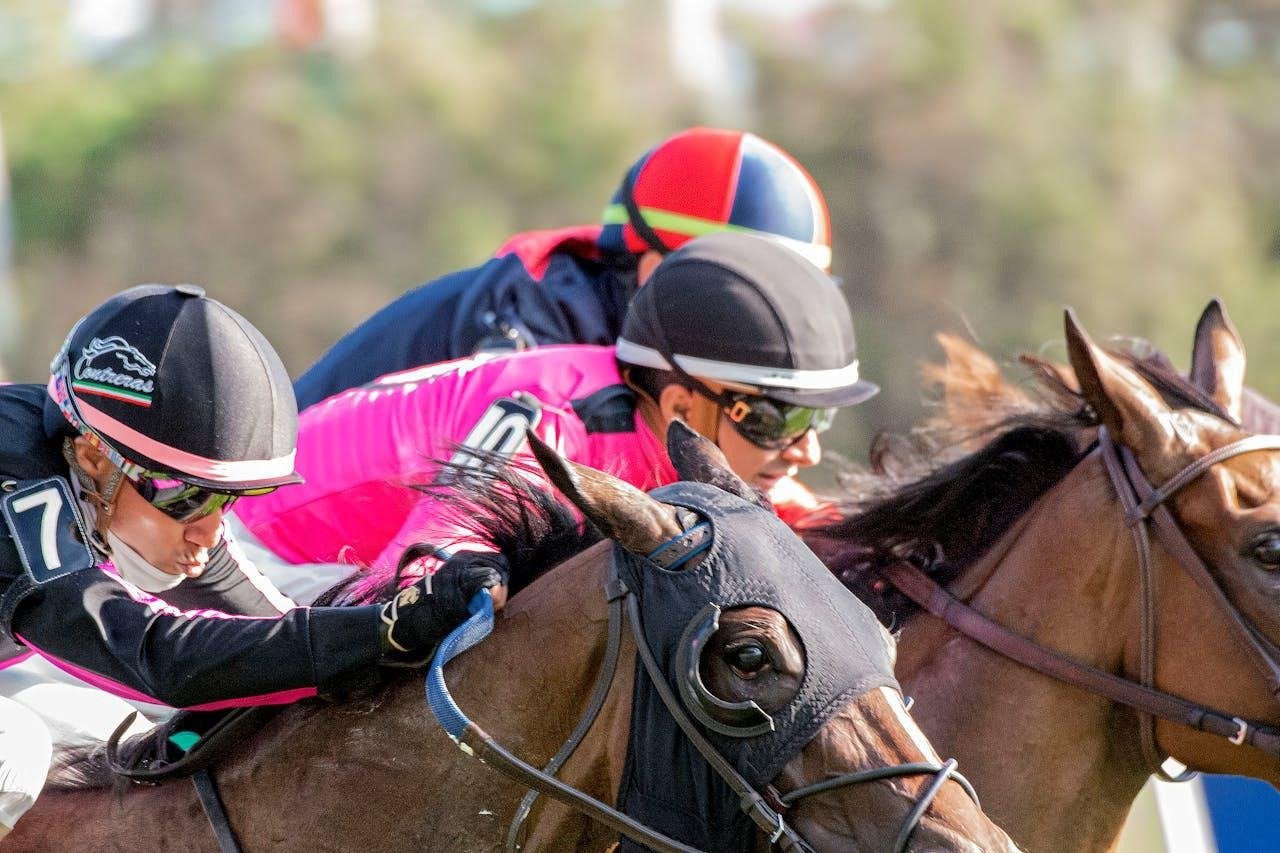
If we asked you which are the toughest athletes on the planet, you’d probably say UFC fighters or footballers, but not many people mention jockeys. You just have to take one step into the horse racing industry to find out the physical and mental strength that’s required to become a jockey.
We all know that horse racing rewards talent, but it keeps score on something else entirely – consistency under pressure. This is hard to catch if you are just casually watching the races from home while making a bet. You need to step into the racing world to see how elite jockeys are sharpening their mental skills just to prepare for an upcoming event.
Their mental health is just as important as their body weight and physical strength. If you ignore developing mental skills as a jockey, everything falls apart.
Let’s learn how jockeys work on their mental skills and the amount of mental stability that’s required to reach the highest levels of the horse racing industry.
Managing Too Much Information at Once
For us, a horse race lasts only 2 minutes, but for the jockeys, it is a much longer event. Why? Well, they are managing all kinds of information all at once, and there is no room even for the slightest error.
Some of the best riders reduce cognitive load before the race even starts. But they don’t enter the gate blindly. They always have a mental map of things that matter the most, such as
- Which horses tend to break sharply?
- Which position to take from the start
- Which horses are most likely to lose performance at the end?
- What is the best timing to push?
They are dealing with so much information and so little time. That’s why they have to stay mentally focused.
Have you ever thought about why horse racing handicappers (people who bet on horse races) analyze jockeys days before the event? Well, it’s simple. By analyzing jockeys, their routines, form, and mental strength, bettors can find out their probability of reaching the top positions.
So, if you are thinking about betting on race horses, you should start with the jockey first, then analyze the horse. If you have a favorable horse with an inexperienced jockey who might crack under pressure, it is probably wise to look for another horse to bet on.
Visualization That’s Functional, Not Motivational
When you ask most top-level horse jockeys what they do before big horse racing events, most of them will tell you that they visualize the race (visualization). But what does that mean? Well, it doesn’t mean that they are imagining victory photos and lifting the trophy.
Instead, it is about rehearsing problems and learning the best way to react before they even happen. They visualize what to do if they were stuffed back early or being boxed on the rail.
By mentally experiencing these situations ahead of time, the brain treats them as familiar, so they have a slightly better chance of making the right choice when these things actually happen mid-race. It also removes one important thing from the race – panic. If a jockey has already rehearsed a certain situation, there is less chance that panic will kick in.
This is the same technique that is used by high-level trainers when planning conditioning cycles or race placements.
Everyone Watches the Jockey
Professional sports like horse racing offer no privacy when things go wrong. A poor decision is replayed in slow motion and analyzed frame by frame. So, what does this mean for jockeys?
Well, horse racing is an unpredictable sport, and even the best jockeys can make mistakes. But the emotional control here is what separates high-level jockeys from beginners. Mistakes do happen, and jockeys must learn from them. Emotional overreaction leads to conservative riding. Overconfidence leads to forced moves, and neutral evaluation always keeps jockeys making sharp decisions.
That’s why most successful jockeys often limit post-race commentary, and they don’t want to talk too much with the press about what’s happened and why. They just focus on the next run.
Risk Calibration, Not Fearlessness
Horse racing is a dangerous sport, and elite riders are aware of that fact. This doesn’t mean that they don’t experience fear before a big race. But they learn how to calibrate and control risk, which gives them peace of mind. Risk management is one of the most important skills, not just for jockeys but for other athletes as well.
In horse racing, every move carries a cost. If you swing wide, you’ll lose ground, and if you push too early, you can risk exhausting the horse before the final stretch.
Their job is to observe the track in real time, analyze risk in milliseconds, and make a decision. This requires both self and situational awareness. Riders who consistently misjudge risk don’t lose because they don’t have the skills, but because they don’t make the right decisions.
Trust as a Performance Skill
Trust is one of the toughest skills to learn in horse racing. Yes, trust is a skill. They need to trust the horse and vice versa. This is not blind trust but informed trust.
Jockeys must know when to stop interfering with the horse. Sometimes, overhandling a horse under pressure creates resistance and wastes valuable energy. In other words, they need to let the horse rebalance itself and then take control.
But when is the perfect time for that? Well, that is when trust comes in. Jockeys usually spend weeks with a certain horse before the main event. They train with the horse and see how the horse reacts, just so they can develop a bond where they trust each other.
With that said, trust sometimes requires suppressing ego, and that’s a mental skill that is developed throughout the years.
Final Thoughts
Physical abilities are how jockeys are noticed, but their mental abilities determine their career length. Horse racing is a sport where they lose more than they win, and some athletes are not prepared for that. There are also delayed rewards and constant judgment.
This means that without a strong mental framework, jockeys can fall very quickly. So, if you are a jockey or plan to be one, make sure you learn how to process all of this stuff efficiently.