- What The Legend of Aang Is and Why the Release Format Matters
- What Sparked the Petition: How the Debate Began
- What the Petition Is Asking For and Why Fans Prefer a Theatrical Release
- What Happens Next and Why This Debate Matters Beyond One Film
- Frequently Asked Questions
- 1. Will The Legend of Aang: The Last Airbender be released in theaters or on Paramount+?
- 2. Why are fans petitioning for a theatrical release of The Legend of Aang?
- 3. What is the goal of the petition to release The Legend of Aang theatrically?
- 4. Has Paramount officially confirmed the film’s release platform and date?
- 5. Can fan petitions influence how major films are released?
What The Legend of Aang Is and Why the Release Format Matters
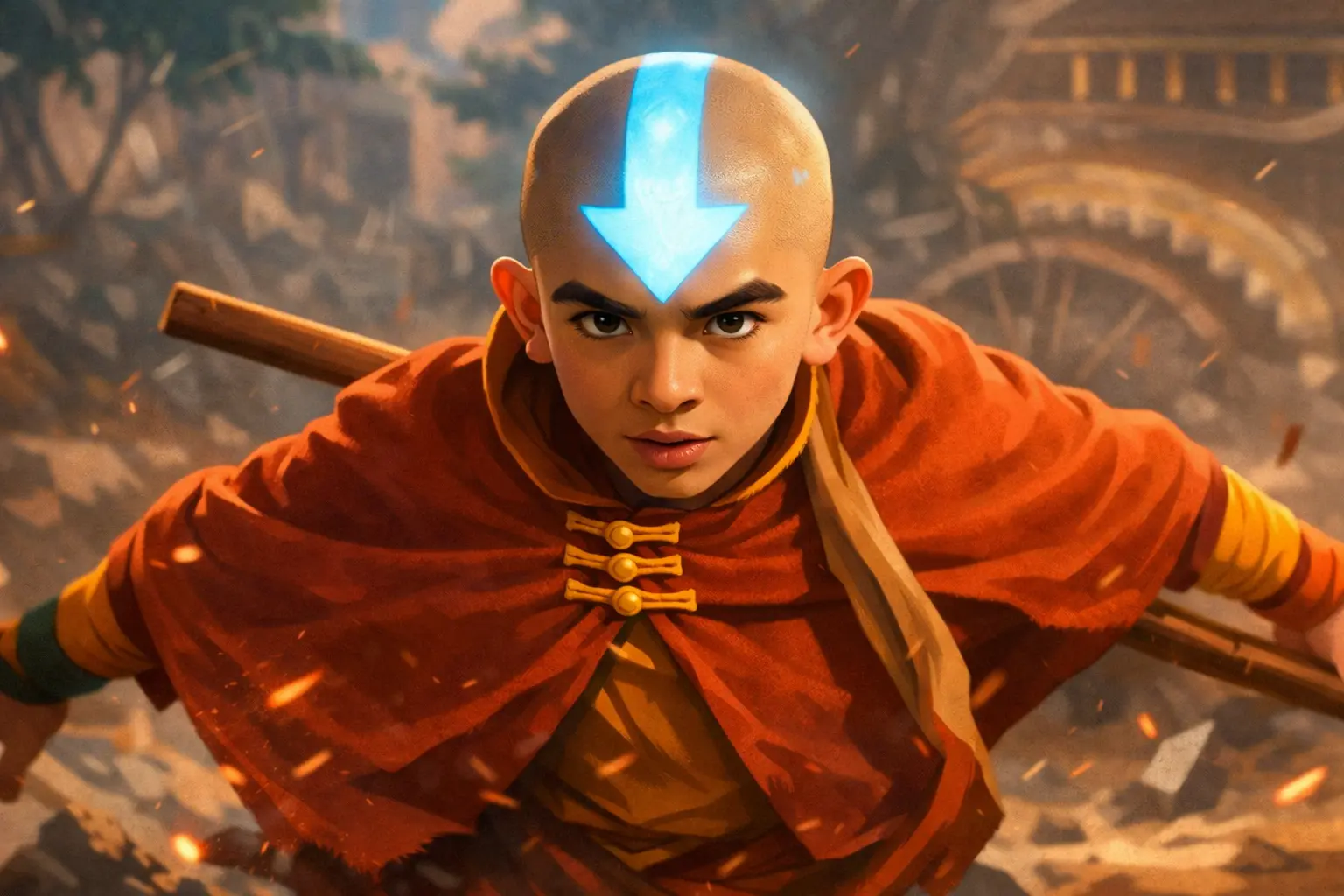
The Legend of Aang is an upcoming animated feature set in the universe of Avatar: The Last Airbender, developed under Avatar Studios, the in-house studio formed by franchise creators to expand the Avatar world through films and series. The project is backed by Paramount Pictures and Nickelodeon Movies, positioning it as one of the most high-profile animated releases tied to a legacy television IP.
The film is expected to follow Aang and his companions in their adult years, a narrative phase that has never been explored in a full-length animated feature. This alone makes The Legend of Aang distinct: it is not a reboot, remake, or spin-off, but a direct continuation of a story that retains strong cross-generational appeal nearly two decades after the original series ended.
From the outset, the project has been discussed in the context of cinematic storytelling, not episodic television. Avatar Studios was publicly introduced with the intent to bring Avatar stories to theaters alongside streaming platforms, reflecting a hybrid future rather than a streaming-only one. As a result, fans have long associated The Legend of Aang with the scale, sound design, and visual immersion traditionally tied to theatrical animation.
Why the Release Format Matters for This Film
Release format is not a minor distribution detail for a franchise like Avatar. The original Avatar: The Last Airbender built its reputation on cinematic animation quality, complex action choreography, and orchestral scoring — elements that historically benefit from theatrical presentation. For many fans, the distinction between a theatrical release and a streaming debut is tied to perceived cultural weight: theaters signal an “event,” while streaming often implies convenience over spectacle.
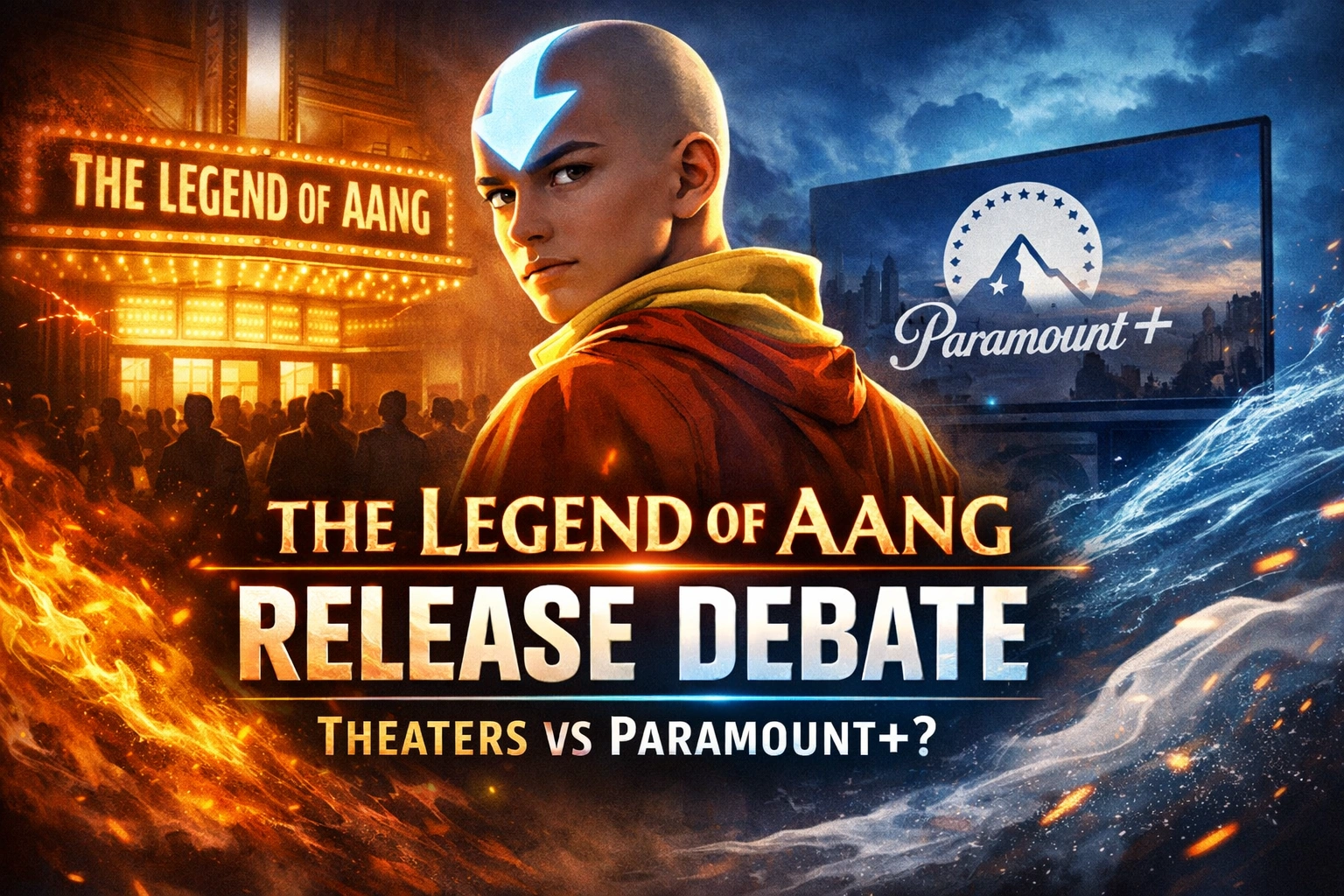
This context explains why discussion around how the film is released has become nearly as prominent as when it will be released. Importantly, at this stage, no official final release strategy has been publicly confirmed regarding whether the film will be exclusive to theaters, streaming, or a hybrid model. The current debate exists primarily at the fan and community level, not as a response to a definitive studio announcement.
Understanding this distinction is crucial. The conversation surrounding The Legend of Aang is not rooted in opposition to Paramount or Avatar Studios, but in long-standing expectations shaped by the franchise’s history and by how major animated films are traditionally positioned within popular culture.
This background sets the stage for what followed next: a fan-led petition that seeks to influence the film’s eventual release approach — not as a reaction to a confirmed decision, but as a preemptive expression of audience preference.
What Sparked the Petition: How the Debate Began
The petition surrounding The Legend of Aang did not emerge from a single announcement or controversy. Instead, it developed gradually within the fan community as anticipation for the film grew and questions about its eventual release strategy remained unanswered.
The Absence of Clarity, Not a Confirmed Decision
At the time the petition began circulating, no definitive public statement had been made by Paramount Pictures or Avatar Studios confirming whether the film would receive a theatrical release, a streaming-exclusive debut, or a hybrid rollout. This lack of clarity proved to be the primary catalyst.
In modern franchise filmmaking, silence itself often triggers speculation. As studios increasingly prioritize streaming platforms for animated and mid-budget releases, fans have grown more attentive — and more proactive — when it comes to how legacy properties are handled. For Avatar viewers, whose attachment to the series is rooted in its cinematic ambition and long-form storytelling, uncertainty around release format felt consequential rather than trivial.
Where the Petition Originated
The petition appears to have originated organically within online fan spaces rather than from organized advocacy groups or industry insiders. Discussions on social platforms, forums, and comment sections began to converge around a shared concern: that a streaming-first release could diminish the perceived scale and cultural moment of the film.
From these discussions, a formal petition was created to consolidate sentiment into a visible, quantifiable signal. Importantly, the language of the petition avoids confrontation. It does not accuse Paramount of mishandling the franchise, nor does it claim insider knowledge. Instead, it frames itself as an appeal — asking the studio to consider a theatrical release as part of its decision-making process.
What Fans Are Reacting To — and What They Aren’t
It is critical to distinguish reaction from resistance. The petition is not a response to an announced Paramount+ exclusivity, nor is it an attempt to reverse a confirmed studio plan. Rather, it reflects preemptive concern shaped by broader industry patterns, where animated films tied to established IPs are increasingly routed directly to streaming platforms.
In this sense, the petition functions less as a protest and more as a signal: a way for fans to register expectations before a final distribution strategy is locked in. This distinction explains why the tone of the movement remains measured rather than adversarial, even as it gains visibility.
The emergence of the petition underscores a larger dynamic at play — one where audiences no longer wait passively for release decisions, but actively engage with studios during the window of uncertainty.
What the Petition Is Asking For and Why Fans Prefer a Theatrical Release
At its core, the petition related to The Legend of Aang is narrowly focused. It does not seek to dictate creative direction, alter story elements, or challenge the authority of the studio. Instead, it centers on one issue: how the film should be experienced at launch.
What the Petition Is Actually Requesting
The petition asks Paramount Pictures to consider a theatrical release strategy — either as a primary release or as part of a hybrid model — before committing exclusively to any single platform. The wording is deliberate and restrained. It emphasizes consideration rather than entitlement and positions the request as a reflection of audience preference rather than a demand.
Notably, the petition does not reject streaming as a distribution channel altogether. Many supporters acknowledge the role of streaming in expanding global access. The concern instead lies in sequencing and emphasis: whether a film positioned as a major continuation of the Avatar narrative should debut first as a cinematic event.
Why Theatrical Release Holds Symbolic Weight
For long-running franchises, release format often carries symbolic meaning. A theatrical debut is widely interpreted as a signal of confidence — both in the property’s cultural relevance and in its ability to draw audiences beyond an existing fan base. In contrast, streaming-first releases are often associated with convenience, algorithm-driven discovery, and shorter attention cycles.
Fans advocating for a theatrical release argue that The Legend of Aang occupies a category closer to “event animation” than to episodic or supplemental content. The Avatar franchise has historically emphasized scale: elemental combat, expansive world-building, and orchestral scoring. These elements are not exclusive to theaters, but they are traditionally amplified there.
The Communal Experience Argument
Another recurring theme in the petition’s support base is the value of collective viewing. Animated franchises with multigenerational audiences often benefit from shared cultural moments — opening weekends, fan screenings, and communal reactions that extend beyond the screen itself. These moments contribute to a film’s long-term legacy, influencing how it is remembered and discussed.
From this perspective, the preference for theaters is not solely about screen size or sound quality, but about cultural imprint. Fans view a theatrical release as a way to anchor the film within the broader history of the franchise, rather than allowing it to blend into the continuous flow of streaming content.
Alignment With Industry Trends — and Tensions
The petition’s arguments exist within a broader industry tension. Studios increasingly balance box office risk against the strategic value of driving subscriptions to proprietary platforms. Hybrid releases — limited theatrical runs followed by streaming availability — have emerged as a compromise, though their effectiveness varies by genre and audience.
By asking Paramount to consider theaters, petition supporters are implicitly advocating for a release model that treats The Legend of Aang as a flagship property rather than a platform-exclusive asset.
What Happens Next and Why This Debate Matters Beyond One Film
As discussion around The Legend of Aang continues, the most important point to emphasize is what has not happened: no final release strategy has been publicly confirmed by Paramount Pictures or Avatar Studios. Until such confirmation arrives, the petition remains an expression of audience preference rather than a response to a locked-in decision.
Do Fan Petitions Influence Studio Decisions?
Historically, fan petitions have produced mixed outcomes across the entertainment industry. In rare cases, sustained and widespread fan response has influenced creative or distribution decisions, particularly when it aligns with a studio’s commercial interests. More often, petitions serve as sentiment indicators rather than decision-makers.
Possible Release Scenarios
Several outcomes remain plausible:
- A theatrical-first release
- A hybrid model with limited theatrical screenings
- A streaming-led debut with select cinema runs
Each option carries different implications for revenue, audience reach, and long-term franchise positioning.
Why This Debate Extends Beyond The Legend of Aang
The significance of this discussion lies not only in one film, but in what it reflects about modern franchise stewardship. Animated features tied to established IP now sit at the intersection of cinema, streaming platforms, and audience expectation.
A Fan-Led Conversation, Not a Studio Conflict
Ultimately, the petition surrounding The Legend of Aang represents a fan-led conversation, not an adversarial standoff. It reflects anticipation, emotional investment, and a desire to see a landmark story presented with perceived importance. Until official announcements are made, the most responsible stance remains one of patience paired with informed engagement.
Frequently Asked Questions
1. Will The Legend of Aang: The Last Airbender be released in theaters or on Paramount+?
The film, originally planned for a theatrical debut, is now reported to be skipping traditional theaters and will premiere on Paramount+ instead.
2. Why are fans petitioning for a theatrical release of The Legend of Aang?
Fans started a petition urging Paramount to reconsider and release the movie in theaters — or at least as part of a hybrid model — because many believe a big-screen experience better honors the legacy and scale of the franchise.
3. What is the goal of the petition to release The Legend of Aang theatrically?
The petition asks Paramount to “consider” a theatrical release as part of their strategy, highlighting community engagement and the cultural impact of cinema compared to streaming.
4. Has Paramount officially confirmed the film’s release platform and date?
While the exact release date hasn’t been fully detailed, the film is expected to premiere on Paramount+ in Fall 2026, according to platform information and industry reports.
5. Can fan petitions influence how major films are released?
Fan petitions have historically had mixed influence on studio decisions: occasionally they impact marketing or creative choices, but major distribution strategies (like theaters vs. streaming) are typically driven by broader business priorities.